

Out-of-control-shopping i Primarily Driven By Poor Credit Card Management Did you know that approximately 10 percent of adults in western countries are believed to have a compulsive spending disorder? Their spending habits lead them to lose control over their buying behavior, and this trend is on the rise. Interestingly, these shopaholics are addicted to buying
22
Dec
Dec
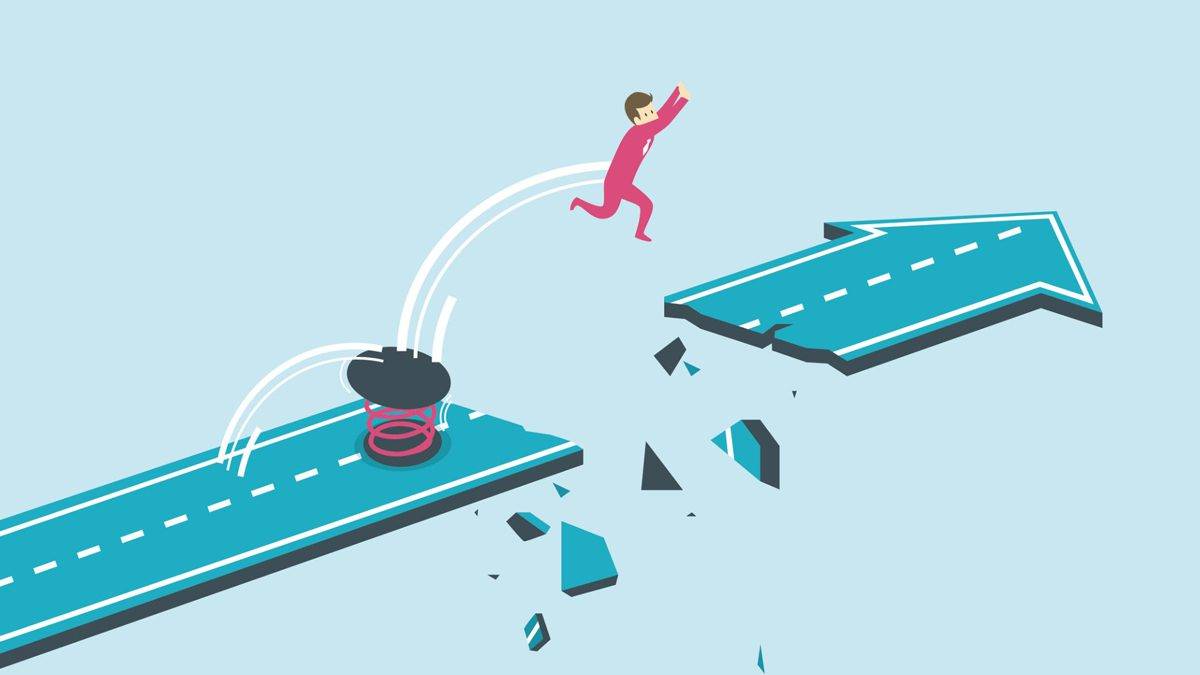
When working on self-improvement, setbacks can often feel like failures. Whether it’s indulging in a late-night fast-food craving or struggling to quit smoking despite several tries, setbacks can be discouraging. However, they’re not the end of the road. Instead, they’re an essential part of the process. Research shows that each failed attempt can increase your

17
Dec
Dec
Help from the Unconscious After working with dreams for over thirty-five years, I am convinced that all dreams come in the service of health and wholeness. Even recurring nightmares aim to help the dreamer move forward consciously toward well-being. If a dream is remembered, it indicates an important role for the dreamer’s waking mind in

15
Dec
Dec
Catastrophizing is a pattern of thinking where small issues are blown out of proportion, creating overwhelming and distressing thoughts. For instance, a minor scratch on a car or a stain on the carpet may lead to spiraling fears about larger, unrelated consequences. This form of irrational thinking can drive chronic worry and anxiety, leaving individuals

11
Dec
Dec
The Link Between Perfectionism and Obsession in Workaholism Workaholism is not just about working excessively; it is an obsession that stems from perfectionism. Understanding this inner dynamic is crucial to grasp how workaholism leads to narcissism. In this post, we will explore how obsession plays a pivotal role in workaholism and its psychological consequences. The

11
Dec
Dec
Why Shame Can Both Help and Hurt Self-Control Shame is often discussed as a motivator for self-control, especially in situations like managing weight or resisting unhealthy habits. But is shame truly the key to changing behavior? Research suggests that the real drivers are emotions we anticipate, such as pride, regret, or remorse, which subtly shape

09
Dec
Dec
Anxiety can feel overwhelming and isolating, but there are natural ways to manage it effectively without relying on medication. Here are five practical tips to help you reduce anxiety, improve your well-being, and regain control of your life. 1. Find a Support Group (Online or In-Person) Connecting with others who understand your struggles can make
04
Dec
Dec
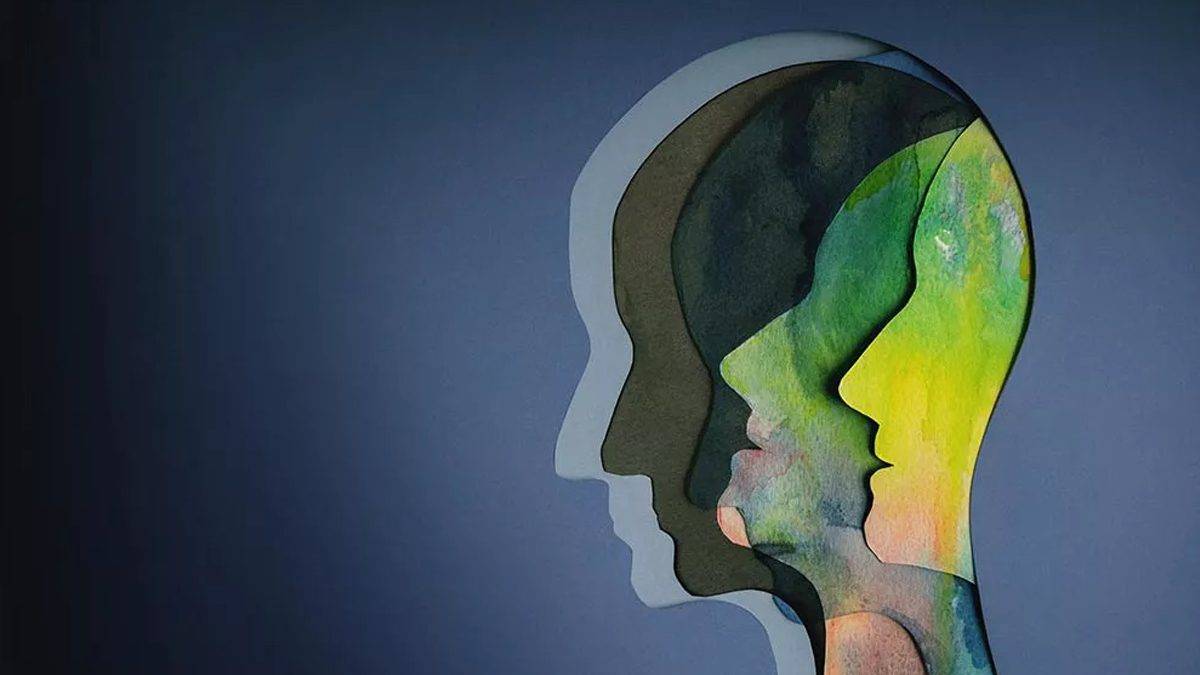
Personality disorders are characterized by enduring patterns of problematic behavior that typically begin in adolescence, causing significant distress and functional impairment. These disorders are often perceived as lifelong conditions, but recent research suggests that symptoms can improve or even remit over time. Does this mean personality disorders disappear entirely? The answer is both yes and

02
Dec
Dec
In today’s fast-paced, capitalistic world, the pursuit of wealth is often mistakenly equated with the pursuit of happiness. The more money people earn and the more possessions they accumulate, the closer they believe they are to achieving happiness. But is this belief true? Not quite. Why Material Wealth Falls Short Research shows that chasing happiness

01
Dec
Dec
Intelligent People Are More Likely to Do Stupid Things Not only are more intelligent individuals more likely to consume more alcohol more frequently, but they are also more likely to engage in binge drinking and to get drunk. In an earlier post, I show that consistent with the prediction of the Hypothesis, more intelligent individuals consume larger quantities of alcohol